
"Mitsubishi Chemical"
7000 article(s) found

The coffee flower looks good by soaking for a minute to understand the chemical effects of milk.
Professional coffee knowledge exchange more coffee bean information please follow the coffee workshop (Wechat official account cafe_style) novice answer: why is the picture crooked? Although you do not need to have a degree in chemistry about the symmetry and embossing of a single graph, it is indeed a more complicated technique to understand the chemical effect of milk on coffee. But if you want to make something perfect and beautiful

The bitter taste of coffee comes from the roasting process of coffee beans.
In western countries, people drink a cup of coffee every morning. In order to cover up the bitterness of the coffee, they often add some milk powder and sugar. But why is coffee bitter? A seemingly simple problem has been bothering scientists for decades. Now, scientists have narrowed down their research and targeted two chemical molecules. Chemistry in the United States

High-quality coffee common sense coffee bitterness comes from the processing process
In western countries, people drink a cup of coffee every morning. In order to cover up the bitterness of the coffee, they often add some milk powder and sugar. But why is coffee bitter? A seemingly simple problem has been bothering scientists for decades. Now, scientists have narrowed down their research and targeted two chemical molecules. Chemistry in the United States

What is the basic knowledge of decaf, boutique coffee
Decaf decaffein so-called decaffeinated coffee, as the name implies, is coffee with only a small amount of caffeine. Coffee contains many ingredients and substances, among which caffeine has an obvious effect on the human body. For many people who are addicted to coffee but whose physical condition does not allow caffeine, decaf is the best choice. Generally speaking, coffee beans

What chemical reaction does the aroma of coffee beans come from during roasting? Coffee beans at different roasting stages
Professional coffee knowledge exchange more coffee bean information Please follow the coffee workshop (Wechat official account cafe_style) what chemical reaction does the aroma of coffee beans come from during roasting? What is the taste of coffee beans at different roasting stages? The charming aroma of coffee is also the main reason why Napoleon, me and many coffee fans miss coffee all the time. But why on earth is coffee so bad?

The bitterness of coffee comes from the roasting of coffee beans during the processing.
In western countries, people drink a cup of coffee every morning. In order to cover up the bitterness of the coffee, they often add some milk powder and sugar. But why is coffee bitter? A seemingly simple problem has been bothering scientists for decades. Now, scientists have narrowed down their research and targeted two chemical molecules. Chemistry in the United States

Where did the coffee come from? The origin of coffee is explained by isotopes. The origin and history of coffee
Professional coffee knowledge exchange more coffee bean information Please follow the coffee workshop (Wechat official account cafe_style) drink a cup of coffee to wake up the day, is undoubtedly a portrayal of the lives of many modern civilized people. You may not know that people have been drinking coffee for more than ten centuries. Due to the age, the origin of coffee can no longer be examined, and there is a lack of related historical events.

Basic knowledge of fine coffee the bitterness of coffee comes from the processing process
In western countries, people drink a cup of coffee every morning. In order to cover up the bitterness of the coffee, they often add some milk powder and sugar. But why is coffee bitter? A seemingly simple problem has been bothering scientists for decades. Now, scientists have narrowed down their research and targeted two chemical molecules. Chemistry in the United States
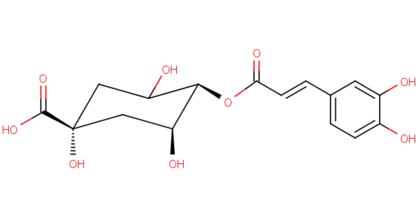
SCAA Emma Bladyka chlorogenic acid: the importance of chemical changes in chemistry and reality baking
What are they? Many plants contain chlorogenic acid in addition to caffeine. Acids have this very similar structure in the Luyuan Group, and the composition of an ester usually includes caffeic acid and quinic acid as components. All chlorogenic acids belong to a larger class of phenolic acids. In nature, phenolic acids are usually used as defensive compounds by plants, or as a signaling mechanism between plants and soil microorganisms. they

What is the method of extracting caffeine from decaf coffee
Decaf decaffein so-called decaffeinated coffee, as the name implies, is coffee with only a small amount of caffeine. Coffee contains many ingredients and substances, among which caffeine has an obvious effect on the human body. For many people who are addicted to coffee but whose physical condition does not allow caffeine, decaf is the best choice. Generally speaking, coffee beans

Treatment of decaf coffee
Follow the caffeine review (Wechat official account vdailycom) found that the beautiful cafe opened a small shop of its own so-called decaffeinated coffee, as the name implies, there is only a small amount of caffeinated coffee. Coffee contains many ingredients and substances, among which caffeine has an obvious effect on the human body. For many people who are addicted to coffee but whose physical condition does not allow caffeine intake.

The chemical reaction that takes place in the process of roasting coffee how to drink roasted coffee? The process of roasting coffee
Professional coffee knowledge exchange more coffee bean information please pay attention to the coffee workshop (Wechat official account cafe_style) homogenization ─ transfer heat to the inside and outside of raw beans, so that all beans are ready to react evenly. Each raw bean is formed by countless cells, including the cell wall, the cell membrane, the sap that fills its interior, and the nucleus. Harvest

Chemical changes of Water content during Coffee roasting
The roasting process of coffee introduces the environmental factors of raw coffee beans in the producing area, which will also affect the quality of raw coffee beans. The rainfall in the producing area this year and last year, or the drying process of coffee before export, is also one of the key points. High-altitude and ripe coffee beans usually last longer and have a longer life. Coffee raw beans because of the high density, if the dry environment is good
What are the chemical constituents in coffee beans
Caffeine: caffeine is the most eye-catching of all the ingredients in coffee. It is a kind of phytoxanthin (animal muscle component). It has the same properties as theobromine contained in cocoa, green tea contains the same theophylline, and the percentage of reduction after baking is very small. Caffeine has a very wide range of effects. will affect the human brain, heart, blood vessels, gastrointestinal, muscle and kidney and other parts, the right amount of caffeine

What kind of coffee are roasted in medium depth?
What are the moderate dark roasted coffee? next, the temperature rises from 205 degrees to about 220 degrees, the color of the coffee changes from light brown to medium brown, and there is about 15% weightlessness. This chemical process is called high-temperature decomposition, in which the chemical composition of coffee beans changes and releases carbon dioxide. After the first burst, there was a pause in the burst sound, and then

Boutique coffee beans | what is the reaction when coffee is roasted? why the coffee is rich in flavor
Do you know what happens when you bake coffee? What changes have taken place to turn mung beans into our favorite delicious, fragrant coffee beans? In the first part of this two-part series, we studied how the anatomical structure of coffee beans played an important role and outlined the physical changes that took place during roasting. Now, let's look at some chemical changes.
Chemical composition of Italian Coffee knowledge Milk
Milk is made up of protein, fat and sugar. Protein is the medium of foaming, and when the air is pumped into the milk, the protein forms a thin film around the air, wrapping the air to form bubbles. Fat inhibits and destroys the foaming process, although whole milk produces softer foam than skim milk and unfortified milk
Basic knowledge of boutique coffee the bitter acid and alcohol of coffee
The bitterness of coffee: the color, aroma, and taste of coffee are caused by complex chemical changes that take place during roasting. Therefore, raw beans must go through appropriate chemical procedures to achieve the most balanced state of its essential ingredients in order to be regarded as the best baked beans. The aroma of coffee will change with the heat, so the baking time should be shortened as much as possible, and the coffee is hot.
Why is coffee bitter?
Why is coffee bitter? This question has puzzled scientists for decades. Now, scientists have narrowed their search to two chemical molecules. The discovery could lead to bitter tastes in coffee, scientists reported at the annual meeting of the American Chemical Society.

The Chemical composition of Milk in Coffee pattern Technology
Milk is made up of protein, fat and sugar. Protein is the medium of foaming, and when the air is pumped into the milk, the protein forms a thin film around the air, wrapping the air to form bubbles. Fat inhibits and destroys the foaming process, although whole milk produces softer foam than skim milk and unfortified milk